
Nature is better for children
Categorie(s): City life, Health, News

More and more children today have less and less contact with the natural world. And this is having a huge impact on their health and development.
Nature nurtures the mind
Free and unstructured play in the outdoors boosts problem-solving skills, focus and self-discipline. Socially, it improves cooperation, flexibility, and self-awareness. Emotional benefits include reduced aggression and increased happiness. “Children will be smarter, better able to get along with others, healthier and happier when they have regular opportunities for free and unstructured play in the out-of-doors,” concluded one authoritative study published by the American Medical Association in 2005.
Nature helps you to concentrate
Daily exposure to nature increases children’s ability to focus and concentrate and therefore enhances their cognitive abilities (including problem solving). A 20 minutes walk outside can already improve concentration and learning.
Nature makes you happy and reduces stress
Spending time in nature can help children with attention deficit disorder. And living close to green space has been shown to lower anxiety and depression in younger children. It does not have to be wild nature, watching ‘green’ helps already.
Nature and getting dirty makes you healthier
Children’s time spent playing outdoors is associated with increased physical activity. Studies have shown that simply having contact with dirt, whether it’s through gardening, digging holes, or making pies out of mud, can significantly improve a child’s mood and reduce their anxiety and stress. 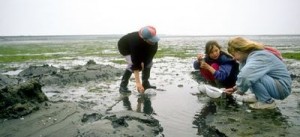 With antidepressant use in kids on the rise, an increasing number of experts are recognizing the role of nature in enhancing kids’ mental health. Dirt can even improve classroom performance.
When we let kids play in dirt we’re not only allowing them to explore the wonders around them, we are also exposing them to healthy bacteria, parasites, and viruses that will inevitably create a much stronger immune system! Many kids who live in an ultraclean environment have a greater chance of suffering from allergies, asthma, and other autoimmune diseases that we would otherwise be protected from through the simple pleasure of playing with some nice common dirt.
Nature helps to develop respect and responsibility for the earth/planet.
Research has shown that if children have regular contact with nature during early childhood, they will more likely grow up with a love and respect for nature and the environment. Childhood playing in “wild” nature (e.g. camping, hiking or walking in the woods) has a positive effect on both adult environmental attitudes and also behaviors.