
Restoring biodiversity in deforested ranches: one tree at a time
Categorie(s): Agriculture, Ecology, Trees
Large or small?
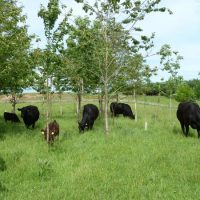
By carefully planning patches of diverse vegetation, scientists say it is possible to increase biodiversity and increase yields for farmers. For decades there has been a debate raging: what is better when it comes to conservation or landscape rehabilitation: a single large or several small habitat areas? Looking at a deforested area in the Amazon, a multidisciplinary team of researchers showed that small, careful interventions can have an impact.
50 years ago deforested farmers’ land
The study looked an area of the Colombian Amazon that was deforested over 50 years ago. Karolina Argote (lead author, of Mediterranean Institute of Biodiversity and Ecology (IMBE) in Marseille, France) explains that at first it was thought that these areas would not even merit resources to restore.
But working closely with farmers at cattle grazing areas in Caqueta, Colombia, Argote and her colleagues were able to develop plans on how to connect remaining fragmented vegetation like riparian galleries[1] and the relics of native forest, producing benefits for both farmers and biodiversity.
“We know it’s not possible to restore these fragmented ecosystems overnight: restoration implies not only time and funding, but also a strong commitment from longranchers to restore these ecosystems. What is needed is scientific evidence that shows that making these small interventions at the farm level does have an impact at the landscape level, and in connecting the animal and plant populations of the ecoregion,” Argote said.
Long term planning: one tree at a time
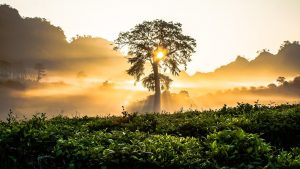
Argote said that one general conclusion is that minimizing fragmentation and enhancing connectivity in Amazon human-modified forested landscapes is key for conservation. A “one tree at a time” approach is needed to engage local communities, and work with them on agreements to protect natural habitats within their properties and introduce new patches of natural habitats to connect and preserve those small forest relics that they still have on their farms.
“We don’t have hard evidence about an uptick in the small, medium and big mammals, but we can say that this type of action has increased the movement of birds, particularly migratory birds,” Argote said.
At first, it was not easy to implement restoration initiatives in this region, with a strong vocation for extensive livestock. However, in recent years there has been growing evidence of the potential of the Silvopastoral Systems[2] as a strategy for re-conversion of these highly fragmented ecosystems.
For example, we know that Silvopastoral Systems
- reduce heat stress in livestock, which improves animal performance and well-being,
- can increase wildlife diversity and improve water quality,
- protect the soil from water and wind erosion, while adding organic matter to improve soil properties and
- increases the productivity and well-being of local communities.
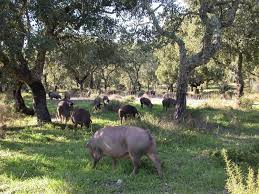
Engaging farmers, especially for silvopastoral systems, is a “one tree at a time” approach, say the researchers.
Research boosts regional restoration efforts
This research is part of a project to provide authorities and farmers with scientific evidence on the role of more sustainable land management, adapting to climate change and improving ecosystem services for farmers.
“When it came to the vegetation, the research team knew which species and how to combine them, including native species from the Alliance seed bank,” she said adding that legumes, pastoral forage and woody trees that could be harvested for timber were part of the tailoring of solutions to each farm.
“At each farm, the farmer helped design the area: everything was co-designed,” Argote said, “We also signed conservation agreements with the farmers that they are going to protect remnant forests and the vegetation at the water’s edge.”
Source: alliance biodiversity & ciat December 2022
– – – – – – – – – – – – – – – – – – – – – – – – – – – – – – – – – – – – –
More about Sustainable farming
A more natural way of farming is needed to save the biodiversity, adapt to climate change and fight climate change as well. A good example of sustainable farming is for instance agroforestry
The importance of a good diversity of insects, especially bees
Less diversity of plants reduces the quality of ecosystems as a whole
[1] Riparian gallery: a riparian gallery forest is a strip of trees and shrubs growing as a corridor along rivers or wetlands.
[2] Silvopastoral: combining tree growing with livestock