
Nature is good for your mental health
Categorie(s): City life, Health, News

Time in nature makes us healthier and happier while also lowering occurrence of physical illnesses.
Our internal biology rewards us when we do something important for our survival like eating or sleeping. That reward is a feeling of well-being, or pleasure, and it comes from our brain’s neurochemicals. Anyone who has ever felt better by going outside in nature has experienced this reward. It is biology’s way of telling us to do it again—being in nature is important for our survival. Being in nature increases one’s sense of vitality, happiness and energy. Researchers at the University of Glasgow found that exercising outdoors produced a 50% better improvement in mental health over activities such as running and cycling in the gym. Time in nature makes us healthier and happier while also lowering occurrence of physical illnesses.
Since children are still developing both physically and mentally, the benefits of being in nature are even much greater for them. A study in the Journal of American Medicine found that children who played outdoors gained creativity and problem-solving skills as well as cooperation skills and self-discipline. Why do you think almost all babies stop crying when we take them outside? We are biologically driven to be in nature. Many adults forget this, but children know. Not only will our children greatly benefit by being in nature more, so will adults if we follow them outside.
The need to be in nature is no different than the need for sleep. Both are essential for our health and well-being. Consistent doses every day are best, but if that doesn’t work, try to catch up on weekends. Listen to the signals from your body and mind—when you are feeling dull, lethargic and tired, sometimes a good dose of nature may be all you need.
Sharpen your memory with a simple walk in nature
Is has been found that a 50-minute walk in nature can improve memory and focus by about 20% , while walking in a busy urban environment doesn’t improve memory. The effects were stronger in individuals diagnosed with major depression.
One of the more surprising findings was that effects on memory were not driven by changes in mood. We had people walk at different times of the year; some walked in June when it was nice outside and others walked in January, when it was cold. The winter walkers didn’t enjoy the walk as much as the summer walkers, but they still received the same memory benefits. So we may not even need to enjoy the walk to receive the benefits.
Scientists beli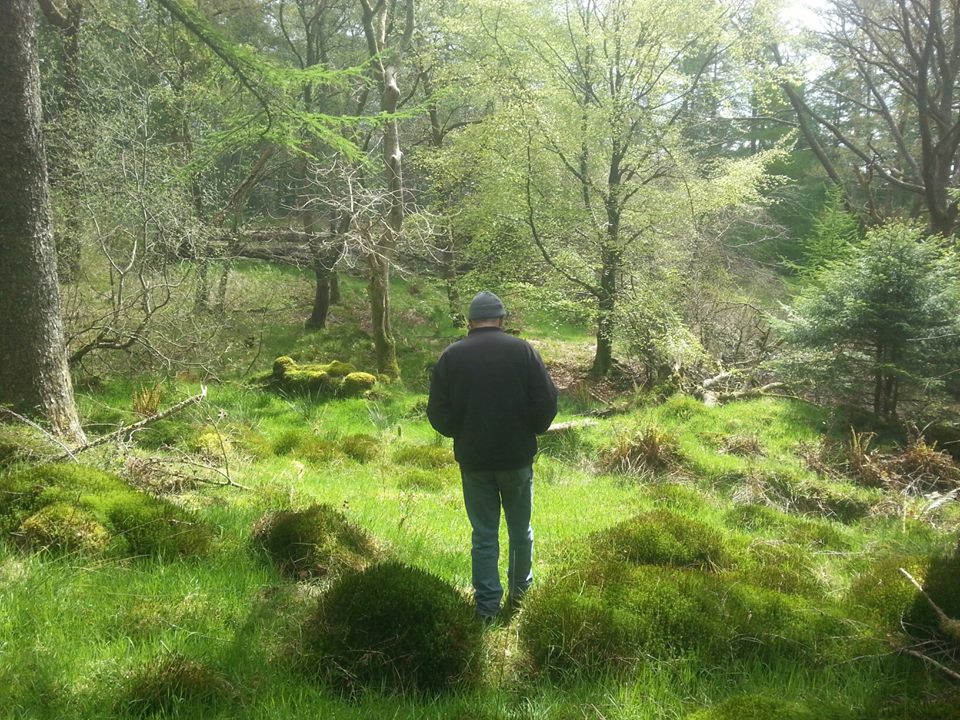 eve that having ‘softly fascinating’ stimulation to look at (such as trees, leaves and water), while not having to concentrate allows a person to de-focus and self-reflect in a natural environment. Sitting in a dark room isn’t restorative because it’s boring, which is fatiguing even though it doesn’t require heavy concentration. Watching television isn’t restorative either, because the stimulation is harsh and requires concentration. Other environments, such as museums, could be restorative as well, but we find that the natural environment is one of the most effective at restoring cognitive abilities.
These results and other suggest a mental/psychological benefit of interacting with nature, which is not typically discussed. Nature seems to have a three-pronged benefit: ecological, physical and psychological.
The scientists have found that the benefits of nature extend to children with ADHD, older adults, people recovering from surgery and individuals diagnosed with breast cancer. This suggests that a single intervention can improve human health and wellbeing across the board. These findings could impact how we design cities, schools, workplaces and hospitals, and how we treat many different kinds of illnesses.
What is needed now is to uncover the features of nature that lead to restorative experiences so we can design and retrofit existing parks and nature areas to optimize those experiences. They also want to use MRI technology to pinpoint the exact neural and physiological changes that accompany a restorative experience in nature.
And they will examine how prolonged exposure to nature affects health and wellbeing at a population level, answering questions like, “do neighborhoods that have more tree canopy have healthier residents than neighborhoods that do not?” This will help us quantify the economic value of natural areas from a mental and physical health perspective, which we hope will lead to public policy and societal changes.
Adapted from: David Suzuki foundation