News
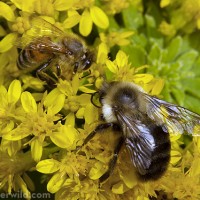
Nectar Helps Bees’ Medicine Go Down
In addition to fuel, nectar from various plant species contains chemical compounds that reduce the numbers of a common gut parasite in bumblebees.
Home-based bird watchers might have mixed up a batch of ‘nectar’ to attract the feathered objects of… read more
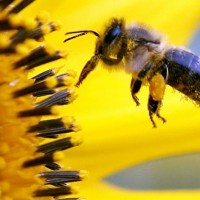
Bees and malnutrition
Loss of pollinators increases risk of malnutrition and disease
A new study shows that more than half the people in some developing countries could become newly at risk for malnutrition if crop-pollinating animals — like bees — continue to decline.… read more
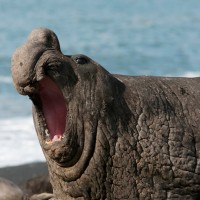
Elephant seals join fight against climate change
SYDNEY (Reuters) – Elephant seals swimming under Antarctic ice and fitted with special sensors are providing scientists with crucial data on ice formation, ocean currents and climate change.
The seals swimming under winter sea ice have overcome a “blind-spot” for… read more
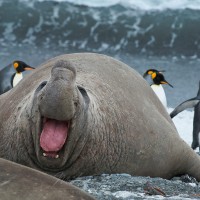
Elephant Seals: Data Collectors for Polar Oceans
Most of us turn to the weather channel, or the app on our phones to find out the forecast for the week, but where do these predictions stem from? Many of these forecasts are made possible by the analyses of… read more
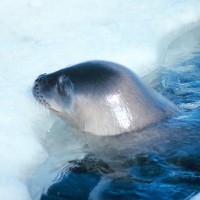
Do Weddell Seals have an Internal GPS?
Weddell seals have biological adaptations that allow them to dive deep–as much as of hundreds of meters–while hunting, but also an uncanny ability to find the breathing holes they need on the surface of the ice. Now, researchers supported by… read more